Source Machine Washable Chicken Coop Pads for Farms
Find machine washable chicken coop pads from 30 verified suppliers. Compare durable plastic and TPE options for nesting boxes, free-range coops, and retail packaging. Evaluate weights, sizes, and warranty terms to select the right egg laying mats for your operation.
Key considerations
Products List
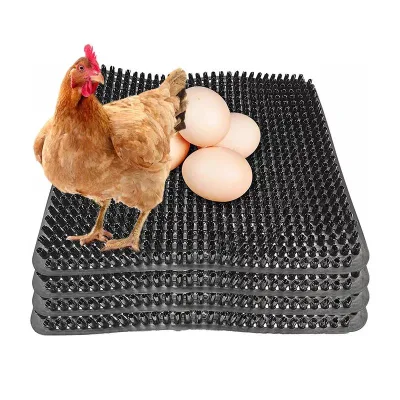
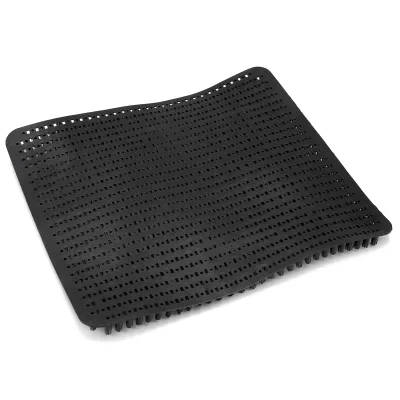
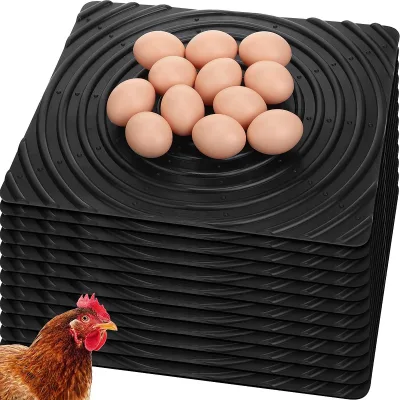
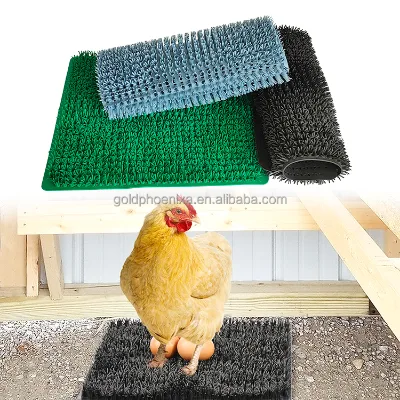
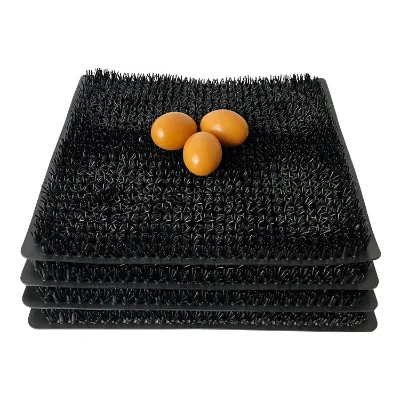
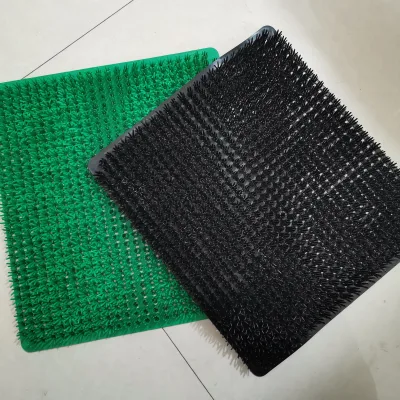
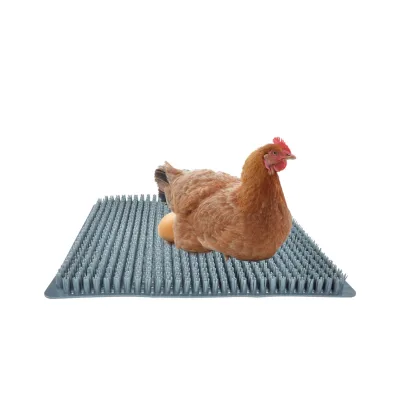
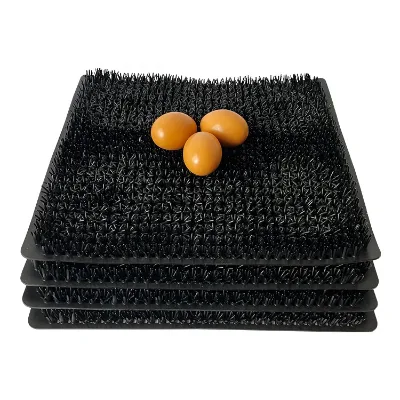


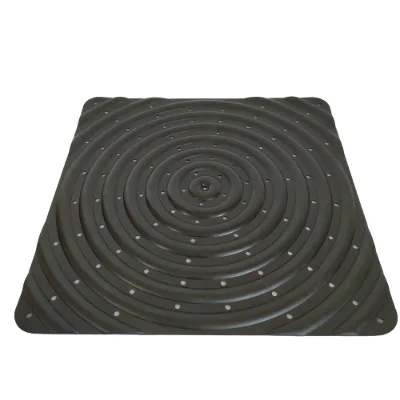
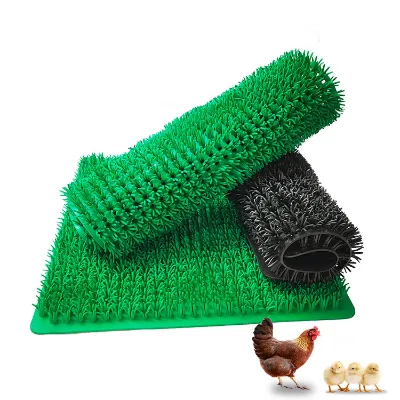
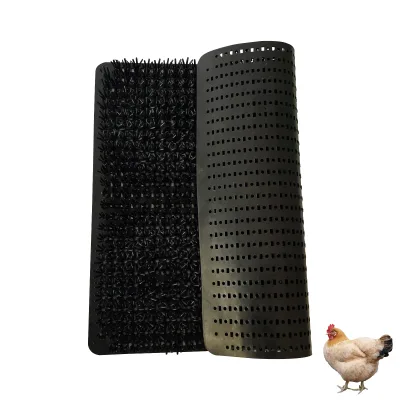
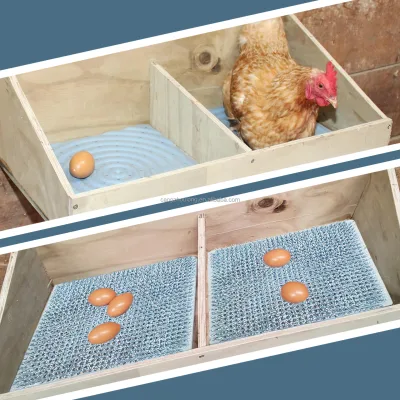
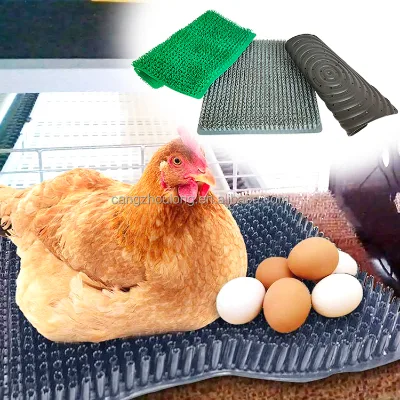

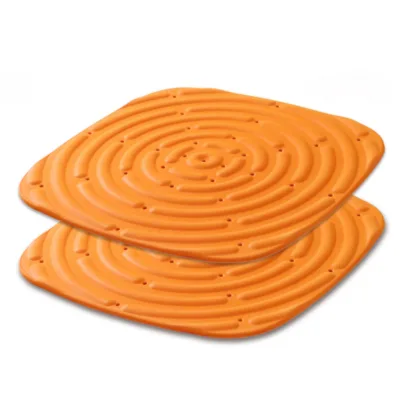


Comprehensive Sourcing Guide
Machine Washable Chicken Coop Pads Sourcing Guide
Procurement professionals evaluating machine washable chicken coop pads must first distinguish between products designed for high-volume farm operations and those intended for small-scale home use. The observed market data indicates a diverse range of materials, including high-quality polypropylene and thermoplastic elastomers, which dictate the specific cleaning protocols and durability expectations for each unit. Buyers should verify that the selected pad material aligns with their specific farming type, whether cage-based or free-range, to ensure the product withstands the intended environmental stressors without degrading prematurely.
A critical initial decision involves confirming the physical dimensions and packaging constraints of the inventory, as listings show significant variance in single package sizes ranging from compact 10x10x10 cm units to larger 100x100x100 cm configurations. This variation directly impacts logistics planning and storage requirements within the buyer's facility. Sourcing teams must cross-reference the listed single gross weight and package dimensions against their shipping capacity to avoid unexpected freight costs or storage bottlenecks that could arise from mismatched product specifications.
Product Scope and Observed Listing Signals
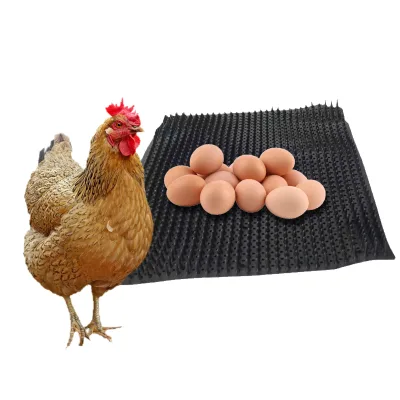
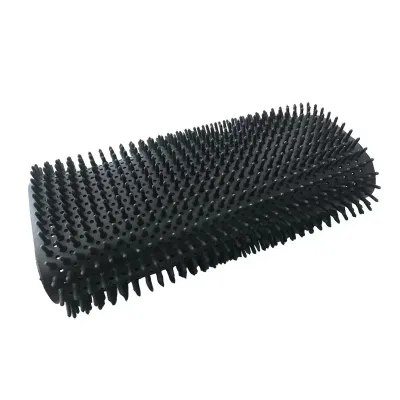
The current market landscape for chicken nesting pads reveals a spectrum of product attributes, with some listings highlighting specific advantages such as the ability to be trimmed to any size using standard scissors. This feature suggests a high degree of customization potential for buyers with non-standard coop dimensions, allowing for a tailored fit that maximizes space utilization within existing nesting boxes. However, buyers must carefully scrutinize whether this trimmability applies to the specific material composition of the pad, as cutting certain plastics may compromise the structural integrity or the washability of the surface.
Another significant signal in the product scope is the variation in warranty terms, which range from six months to three years depending on the specific listing and manufacturer. This disparity serves as a primary indicator of the supplier's confidence in their product's longevity and resistance to wear from frequent washing and heavy use. Procurement officers should treat the warranty period as a proxy for quality assurance, prioritizing suppliers who offer extended coverage on core components while remaining vigilant about the specific conditions required to maintain that coverage.
Technical Specifications to Verify
When assessing technical specifications, the material composition stands out as a primary differentiator, with observed listings citing both high-quality polypropylene and TPE as the core construction materials. Buyers must verify which material is used for their specific order, as polypropylene offers distinct chemical resistance and rigidity, whereas TPE provides superior flexibility and softness for the birds. Confirming the exact material grade is essential to ensure the pad meets the hygiene standards required for egg laying applications and can withstand the mechanical stress of repeated machine washing cycles without losing its shape.
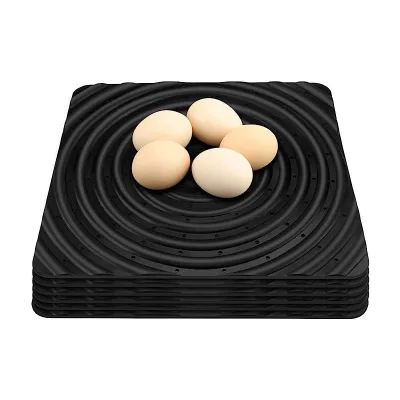
Dimensional accuracy is another critical technical parameter that requires strict verification, as observed sizes vary from 30x30x0.5 cm to 35x29.5x2 cm across different product models. These slight differences in thickness and footprint can significantly affect the fit within standard nesting boxes and the overall comfort provided to laying hens. Buyers should request precise dimensional drawings or physical samples to confirm that the product will not protrude excessively or sit too loosely, which could lead to egg breakage or soiling issues that defeat the purpose of the nesting pad.
Compliance and Safety Documentation
While specific certification documents are not explicitly detailed in the provided product facts, the presence of video outgoing-inspection services suggests a commitment to visual quality control before shipment. Buyers should leverage this service to verify that the physical product matches the advertised specifications regarding color, texture, and overall finish, ensuring that no manufacturing defects are present prior to final acceptance. This visual verification step is crucial for maintaining consistent quality standards across large orders, particularly when the product is intended for use in commercial farming environments where uniformity is key.
Safety documentation should focus on the material's suitability for agricultural use, ensuring that the plastics or elastomers used do not leach harmful substances into the nesting environment. Although specific chemical test results are not listed, buyers must request material safety data sheets or declarations of compliance to confirm that the product is safe for direct contact with poultry and eggs. This due diligence is necessary to prevent potential contamination of the egg supply chain and to ensure the welfare of the birds housed in the coop.
Cost Drivers and Commercial Terms
The commercial landscape for these pads is characterized by a wide range of minimum order quantities, observed from as low as 100 pieces up to 3000 pieces, which significantly influences the unit cost structure. Buyers with smaller operational needs may find the lower MOQ options more accessible, but they must be prepared for potentially higher per-unit pricing compared to bulk purchasers who can leverage economies of scale. Understanding the relationship between order volume and price is essential for budgeting, as the cost per unit often decreases substantially as the order quantity approaches the higher end of the observed range.
Packaging and shipping logistics represent another major cost driver, given the observed variance in single package sizes and gross weights. Some listings indicate a single gross weight of 1.5 kg per package, while others show 0.5 kg, directly affecting the number of units that can be shipped per container and the associated freight charges. Procurement teams must calculate the total landed cost by factoring in these packaging differences, as inefficient packing can lead to wasted shipping space and increased transportation expenses that erode the initial savings from a lower unit price.
Supplier Qualification and Quality Control
Supplier qualification should prioritize vendors who provide video outgoing-inspection services, as this capability demonstrates a proactive approach to quality assurance and transparency. This feature allows buyers to conduct remote audits of the production line and final packaging, ensuring that the products meet the agreed-upon specifications before they leave the factory. Relying on suppliers with this level of inspection capability reduces the risk of receiving substandard goods and provides a layer of accountability that is often missing in standard trade transactions.
The geographic origin of the products, with observed locations in Shandong, Henan, and Hebei Cangzhou in China, offers insight into the regional manufacturing capabilities and supply chain maturity. Buyers should evaluate the specific production hub to understand the local expertise in plastic molding and the availability of raw materials, which can impact lead times and consistency. Additionally, checking the supplier's showroom locations in countries like the United States, United Kingdom, and Germany can indicate their experience with international trade compliance and their ability to support global distribution networks effectively.
Long-Term Procurement Checks
Sustaining a successful procurement relationship requires regular monitoring of the warranty terms and the supplier's ability to honor them over time. With observed warranty periods ranging from six months to three years, buyers must establish clear protocols for handling claims related to premature wear or material failure. It is vital to document the specific warranty conditions for each batch purchased, ensuring that the coverage remains valid throughout the product's lifecycle and that the supplier maintains the necessary support infrastructure to address any issues that arise.
Continuous performance evaluation is necessary to ensure that the machine washable pads continue to meet the operational demands of the farm or facility. Buyers should track the durability of the pads over multiple washing cycles and monitor any changes in the product's physical properties, such as color fading or material softening. Establishing a feedback loop with the supplier based on these long-term observations will help identify potential quality drifts early and allow for corrective actions before they impact the overall efficiency of the egg laying operation.
FAQs
What material are machine washable chicken coop pads made from?
These pads are typically constructed from high-quality plastic materials such as PP or TPE. These materials provide durability and resistance to wear, ensuring the pads remain intact during regular use. The plastic composition allows for easy cleaning and maintenance, making them suitable for both cage and free-range farming environments where hygiene is critical for poultry health.
Can machine washable chicken coop pads be trimmed to fit specific sizes?
Yes, many of these pads can be trimmed to any desired size using standard scissors. This feature allows farmers to customize the fit for various nesting box dimensions. The material is designed to hold its shape after cutting, ensuring that the edges do not fray or degrade quickly, which provides a practical solution for irregular coop layouts.
What is the warranty period for machine washable chicken coop pads?
Warranty periods vary by manufacturer, with options ranging from six months to three years. Some suppliers offer a three-year warranty on the product itself, while core components may have a separate two-year coverage. Buyers should verify the specific warranty terms with the supplier to ensure adequate protection for their investment in poultry equipment.
How much do machine washable chicken coop pads weigh per unit?
The weight of individual pads typically ranges from 0.27 kg to 0.3 kg. This lightweight design facilitates easy handling and installation within chicken coops. Despite their light weight, the pads are durable and effective at protecting eggs. The consistent weight helps in calculating shipping costs and managing inventory logistics for bulk orders.
Where are machine washable chicken coop pads commonly manufactured?
These products are primarily manufactured in China, with origins in provinces such as Shandong, Henan, and Hebei Cangzhou. Major showrooms and distribution centers are located in Canada, the United Kingdom, the United States, Germany, and the Philippines. This global presence ensures that buyers can access reliable suppliers and view product demonstrations in various international markets.
What is the minimum order quantity for machine washable chicken coop pads?
The minimum order quantity (MOQ) generally starts at 100 pieces, though some suppliers may accept orders as low as one unit. Bulk orders can reach up to 3000 pieces depending on the vendor. Buyers should check specific supplier requirements to determine the most cost-effective order size for their farming operation or retail business needs.